• Skip to content
  • Skip to primary sidebar

The Knobbly Plate

A veggie, foodie, photography site

Archives for 2024

Creamy Courgette and Green Bean Gnocchi

December 15, 2024 by knobbyplate

Creamy Courgette & Green Bean Gnocchi: A Healthy Vegan Italian Delight

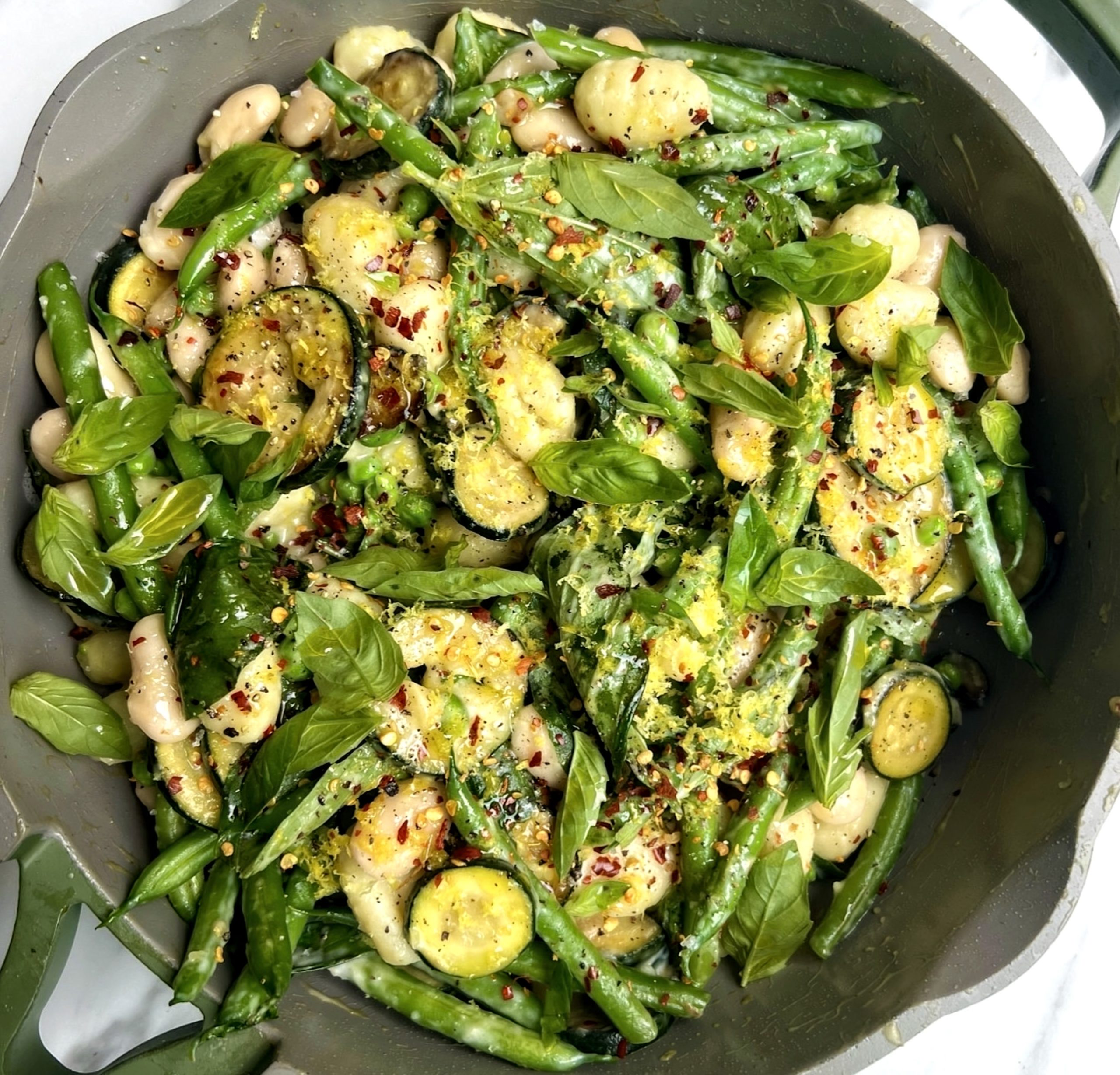
Transport yourself to the rolling hills of Italy with this indulgently creamy yet wholesome Courgette & Green Bean Gnocchi. This vegan dish is a perfect marriage of fresh, vibrant vegetables and soft, pillowy gnocchi, making it a satisfying and nutritious meal to savor on a busy weeknight or a leisurely evening.

The dish starts with tender green beans, blanched to retain their crunch and vivid color, alongside courgettes (zucchini) sliced thin for a delicate, silky texture. These vegetables form the heart of this recipe, delivering a medley of flavors and nutrients. The courgette softens beautifully during cooking, almost melting into the sauce, while the green beans add a touch of snap to every bite.

The star of the show is the creamy sauce, made entirely plant-based yet luxuriously rich. A blend of cashews soaked and blended with garlic, lemon juice, and nutritional yeast creates a velvety, cheesy base without any dairy. A hint of fresh basil and a pinch of nutmeg elevate the flavor profile, giving the sauce a warm, aromatic depth that perfectly complements the earthiness of the vegetables.

Gnocchi, the iconic Italian dumplings, are lightly boiled until they float like clouds, then tossed with the sauce and vegetables to coat every morsel. A quick garnish of toasted pine nuts or crushed walnuts adds a delightful crunch, while an extra sprinkle of basil brings a burst of freshness.

This Creamy Courgette & Green Bean Gnocchi is not only delicious but also packed with vitamins, fibre, and healthy fats. It’s a dish that satisfies indulgent cravings while staying true to a healthy, plant-based ethos—a comforting bowl of Italian sunshine in every bite. Buon appetito!

Save Print
Creamy Courgette and Green Bean Gnocchi
Author: Tony Tomlinson
Recipe type: Vegan
Cuisine: Italian
Prep time:  10 mins
Cook time:  30 mins
Total time:  40 mins
Serves: 4 persons
 
Ingredients
  • 2 tablespoons olive oil
  • (+ extra to serve)
  • 3 courgettes
  • (about 350g / 11 oz) thinly sliced
  • 4 cloves garlic
  • thinly sliced
  • 1 pack green beans
  • (about 200g / 7 oz) trimmed
  • 1 pack gnocchi
  • (500g / 18oz)
  • 200g frozen peas
  • 1 x 400g tin butter beans
  • drained
  • bunch of basil
  • (about 30g / 1 oz) leaves separated but left whole
  • 2 tablespoons coconut yoghurt
  • (optional)
  • 1 lemon
  • zested & juiced
  • pinch of dried red chilli flakes
  • (optional)
  • pinch of flaky sea salt & black pepper
Instructions
  1. Warm the olive oil in a large frying pan set over medium–high heat; add the courgettes, garlic and a pinch of salt. Cook for 15–20 minutes, until jammy and golden.
  2. Meanwhile, bring a large saucepan of salted water to the boil, add the green beans and the gnocchi; cook for 3–4 minutes until tender, adding the peas for the final minute. Drain and set aside.
  3. Once the courgettes are cooked, set the heat to low; then tip the green beans and gnocchi into the frying pan. Add the butter beans, basil, coconut yoghurt (if using), lemon juice, chilli flakes (if using), a generous pinch of salt and plenty of black pepper; stir until combined.
  4. Divide the gnocchi between bowls, scatter over the lemon zest and drizzle generously with olive oil.
3.5.3251


Filed Under: Main Course, mediteranean, Mediterranean, pasta, salad leaves, Uncategorized, vegan, Vegetables, vegetarian Tagged With: courgette, cream sauce, creamy, gnocchi, green beans, healthy, healthy eating, main course, mint leaves, vegan, vegetarian

Winter Root Vegetables with Preserved Lemon Yoghurt

December 14, 2024 by knobbyplate


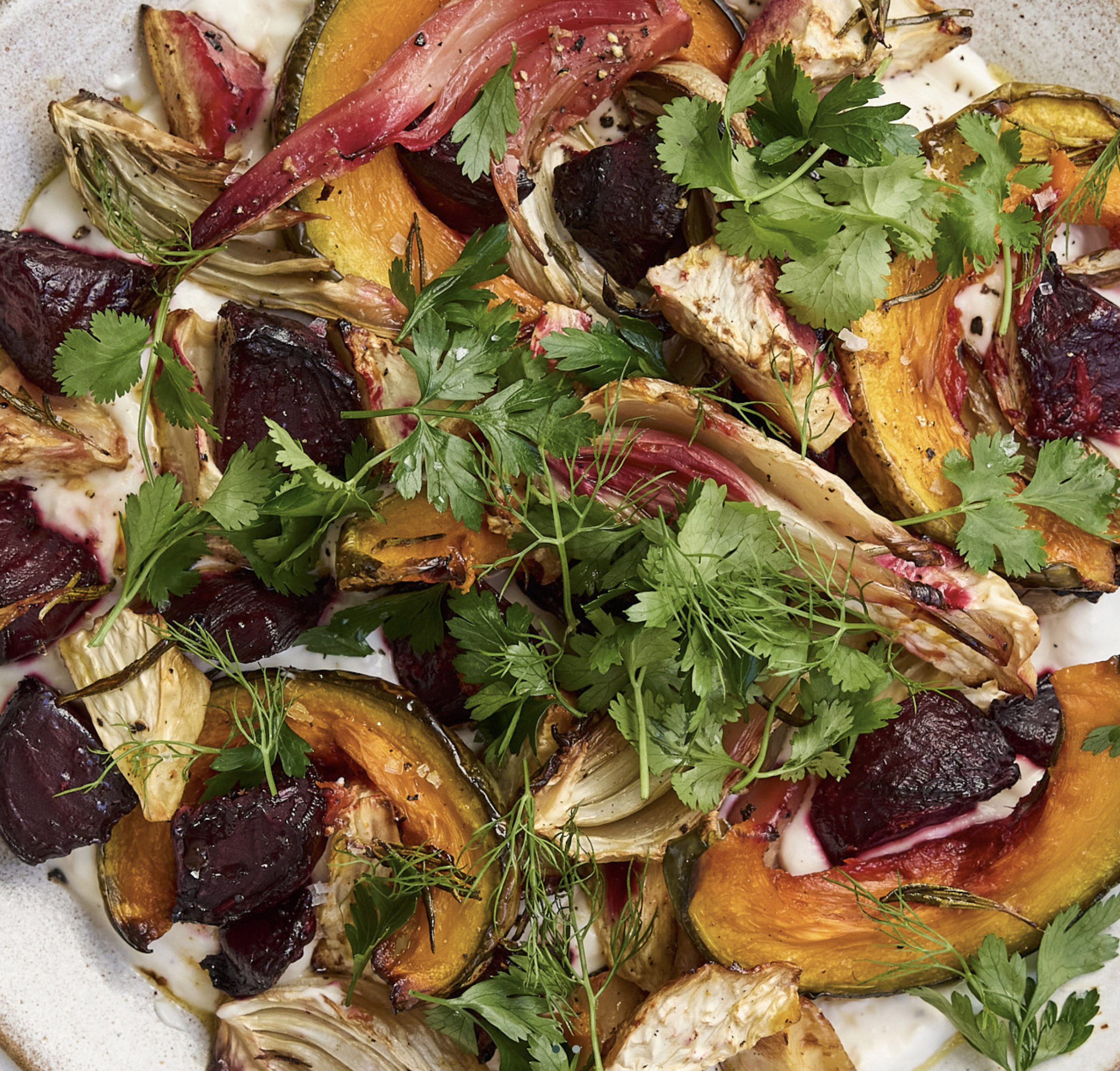
This comforting winter dish celebrates the humble root vegetables of the season, bringing together their earthy sweetness with a tangy, creamy preserved lemon yoghurt for a perfect balance of flavors.

A medley of roasted root vegetables—carrots, parsnips, turnips, and golden beets—are the stars of this dish. Tossed in olive oil, smoked paprika, and thyme, they’re roasted until caramelized and tender. Their natural sweetness is intensified, complemented by a subtle smokiness and herbaceous aroma.

To add layers of texture, crispy chickpeas seasoned with cumin and coriander are scattered across the dish. These add a delightful crunch, alongside toasted seeds—like pumpkin and sesame—that lend nutty undertones.

The preserved lemon yoghurt ties it all together. Made with a plant-based yoghurt, the preserved lemons add a unique punch of salty, citrusy brightness that cuts through the richness of the roasted vegetables. To prepare, finely chop the preserved lemon and stir it into creamy vegan yoghurt with a touch of garlic, fresh dill, and a drizzle of olive oil.

Serve this dish warm, garnished with a sprinkling of fresh parsley or mint for color and freshness. Pair it with crusty sourdough bread or a grain like quinoa to turn it into a hearty meal.

Perfect for chilly evenings, this dish is not just filling but also nourishing. The combination of warm, roasted flavors with the vibrant zing of the preserved lemon yoghurt creates a delightful contrast, making it a memorable addition to any winter menu.

Save Print
Winter Root Vegetables with Preserved Lemon Yoghurt
Author: Tony Tomlinson
Recipe type: Vegan
Cuisine: British
Prep time:  10 mins
Cook time:  55 mins
Total time:  1 hour 5 mins
Serves: 4 persons
 
Ingredients
  • 1 pumpkin or squash
(about 800g / 1 ¾ lb) cut into 2cm wedges
  • 3 beetroot
(about 400g) peeled & quartered
  • ½ celeriac
(about 400g / 14 oz) peeled & cut into 2cm chunks
  • 2 fennel bulbs
cut lengthways into eighths & fronds reserved
  • 2 sprigs rosemary
leaves picked
  • 2 tablespoons olive oil
  • large handful of soft herbs
(about 50g / 1.8 oz) roughly chopped (coriander & parsley work well)
  • pinch of flaky sea salt & black pepper
  • FOR THE PRESERVED LEMON YOGHURT
  • 1 tub coconut yoghurt
(about 250g / 9 oz)
  • 1 bulb garlic
  • 1 preserved lemon
seeds removed & finely chopped

Instructions
  1. Preheat the oven to 180°C fan / 390°F. Place the squash, beetroot, celeriac, fennel and rosemary on a large baking tray. Drizzle with olive oil and season generously.
  2. Slice off the top of the garlic bulb, wrap tightly in foil and pop it in the corner of the tray.
  3. Pace the tray in the oven and cook for 45–50 minutes until tender and deeply golden.
  4. Remove the garlic and mix together with the yoghurt, preserved lemon, a pinch of salt and plenty of black pepper. Transfer to a serving platter and spread out in a large circle
  5. To serve, pile the roasted veg on top of the yoghurt, along with any oil from the tray (this will be full of flavour). Scatter over the herbs and add a pinch of sea salt flakes.
3.5.3251


Filed Under: Main Course, Uncategorized, vegan, Vegetables, vegetarian Tagged With: healthy, healthy eating, main course, preserved lemons, vegan, vegetarian, winter root vegetables, yoghurt

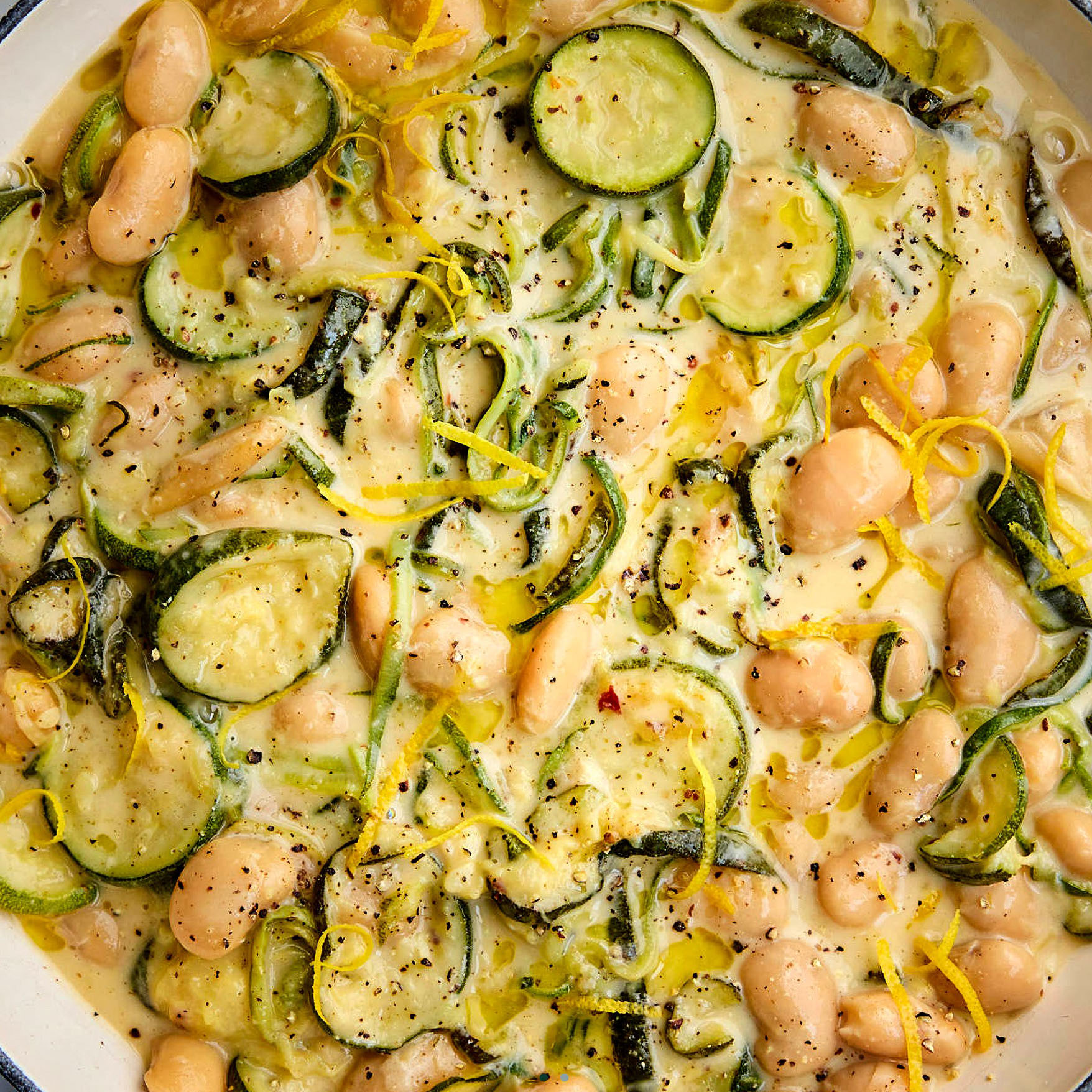
Slow Cooked Courgettes and Creamy Butterbeans

December 13, 2024 by knobbyplate

A humble bowl of comfort, creamy butterbeans meet tender courgettes in a dish that whispers of simplicity and warmth. The butterbeans, their texture soft yet satisfyingly robust, carry a richness that only slow simmering can draw out. They are infused with hints of garlic and a drizzle of olive oil, lending depth to their naturally nutty flavor.The courgettes, sliced thin and cooked until just tender, bring a delicate sweetness to the plate. Their vibrant green is a fresh contrast to the pale cream of the beans, a visual promise of the balance within. A gentle sauté allows them to hold their form, their flavor enhanced with a sprinkle of sea salt and a crack of black pepper.Together, the butterbeans and courgettes are bathed in a light, velvety broth, made from vegetable stock and a touch of cream. The liquid ties the elements together, coating each morsel with a silken finish that begs to be scooped up with crusty bread.A scattering of fresh thyme leaves or a grating of lemon zest adds a fragrant brightness to this homely dish, elevating it just enough while staying true to its essence: simple, wholesome, and utterly satisfying.


Save Print
Slow Cooked Courgettes and Creamy Butterbeans
Author: Tony Tomlinson
Recipe type: Vegan
Cuisine: British
Prep time:  10 mins
Cook time:  1 hour
Total time:  1 hour 10 mins
Serves: 2 persons
 
Ingredients
  • 6 tablespoons olive oil
  • 4 cloves garlic
  • thinly sliced
  • pinch of dried red chilli flakes
  • (optional)
  • 3 courgettes
  • (about 800g / 28 oz ) 2 thinly sliced, 1 julienned/coarsely grated
  • 2 handfuls of pine nuts
  • (about 100g / 3.5 oz)
  • handful of basil
  • (about 30g / 1 oz)
  • handful of parsley
  • (about 15g / 0.5 oz)
  • 1 x 400g tin butter beans
  • (+ the liquid from the tin)
  • 1 vegetable stock cube
  • 2 tablespoons coconut yoghurt
  • 1 lemon
  • zested
Instructions
  1. Warm 2 tablespoons of olive oil in a large frying pan or shallow casserole dish set over medium heat; add the garlic and chilli flakes (if using), cook for 3–4 minutes until just golden.
  2. Add the sliced courgettes and a generous pinch of salt; cook for 20–25 minutes, stirring every so often, until tender and golden.
  3. Meanwhile, warm a small frying pan over low heat, add the pine nuts and cook for 6–8 minutes until golden. Pour into a mini-chopper, along with the basil, parsley and a pinch of salt. Blitz briefly to create a coarse paste; stir in the remaining 4 tablespoons of olive oil and set aside.
  4. Once the courgettes are cooked, increase the heat, then add the butter beans (along with the liquid from the tin) and crumble in the stock cube. Using kitchen paper, squeeze out any excess water from the grated courgette and stir the courgette into the pan; cook for 5 minutes until softened and most of the liquid has bubbled away.
  5. Remove the pan from the heat; stir in the coconut yoghurt, lemon zest and season generously. Spoon the pesto over the top and pour any leftovers into a small bowl to serve on the side. Delicious with fresh bread or warm toast.
3.5.3251


Filed Under: Main Course, pulses, Uncategorized, vegan, Vegetables, vegetarian Tagged With: butterbeans, courgettes, creamy, heartwarming, vegan, vegan bowl, vegetarian

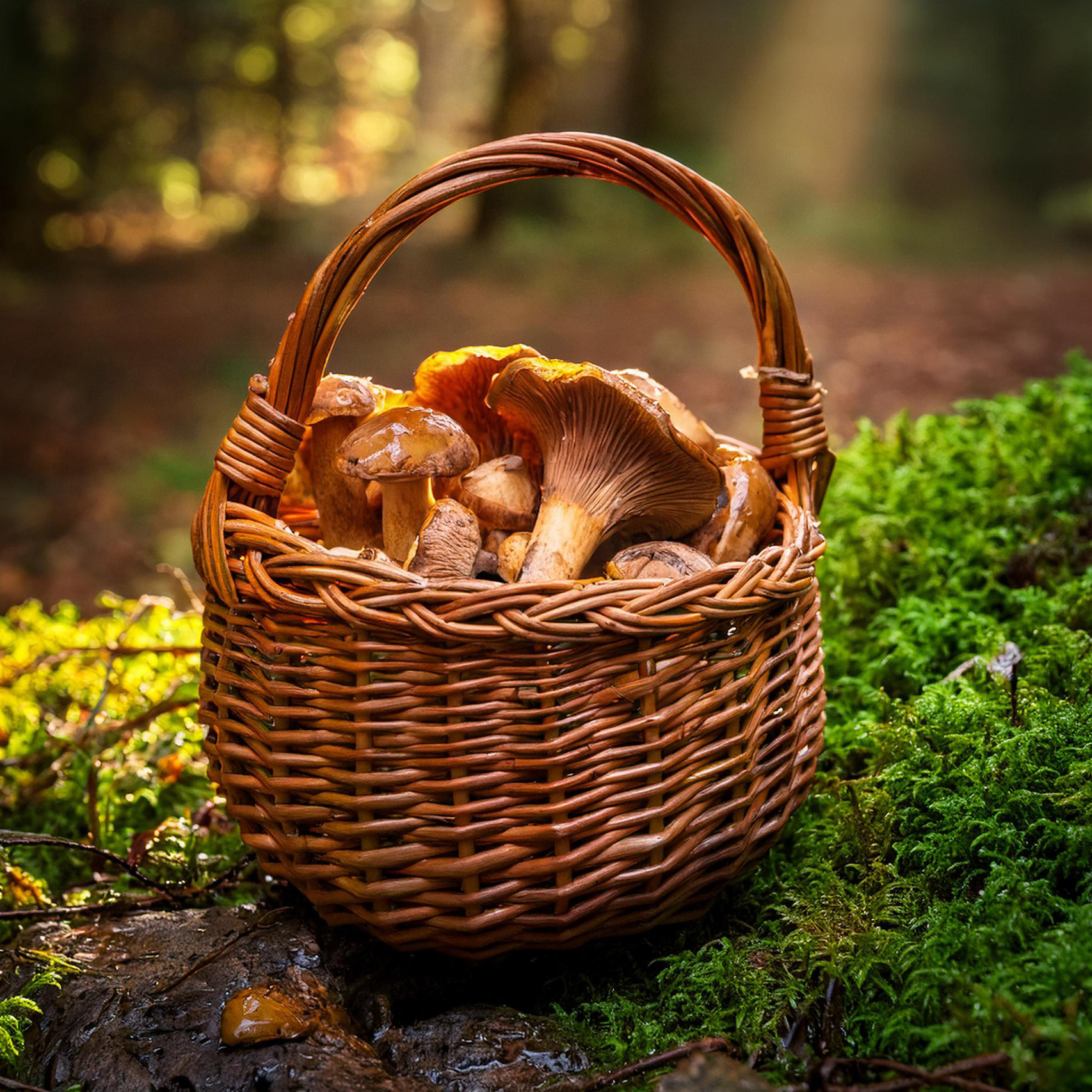
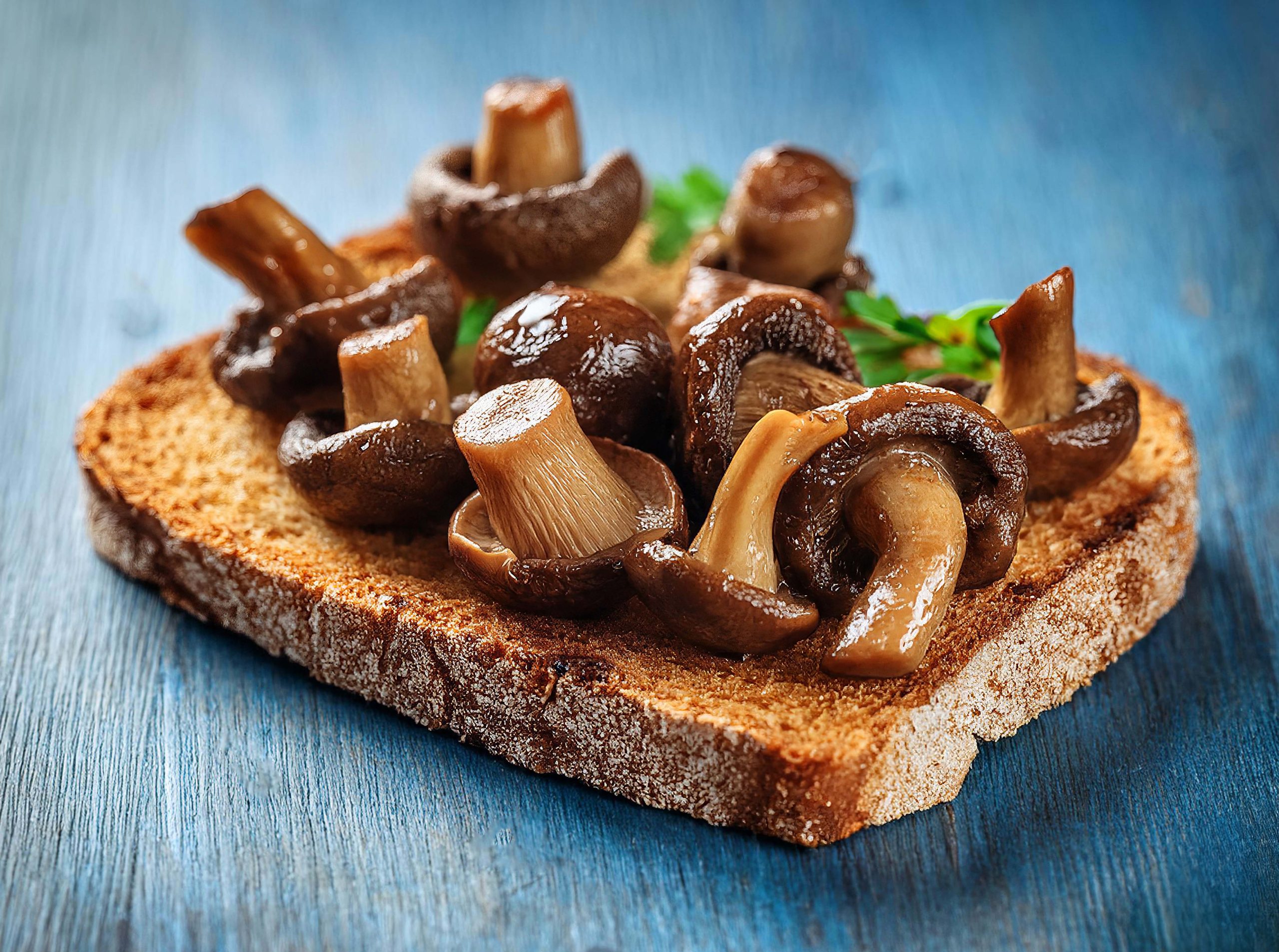
Foraging For Wild Mushrooms and their Health Benefits

October 16, 2024 by knobbyplate

Wild mushroom foraging is the practice of gathering mushrooms from natural habitats like forests, meadows, and woodlands. It offers a deep connection with nature and a chance to discover unique, flavorful varieties that aren’t available in stores. Foraging encourages physical activity, mindfulness, and a deeper appreciation for ecosystems, as identifying safe, edible species requires keen observation and knowledge.

Eating wild mushrooms comes with numerous nutritional benefits. They are rich in vitamins (like B vitamins and vitamin D), minerals (including potassium, zinc, and selenium), and antioxidants that support immune function and overall health. Wild varieties, such as chanterelles, morels, and porcini, often contain higher concentrations of these nutrients compared to their cultivated counterparts. Additionally, they are low in calories and high in fiber, promoting digestive health.

Beyond their nutritional value, wild mushrooms add unique textures and complex flavors to dishes, from earthy and nutty to subtly fruity. Their rich umami quality can elevate the taste profile of soups, sauces, and sautés. However, it’s crucial to forage responsibly, ensuring correct identification to avoid toxic varieties. For those who practice safety and respect for the environment, wild mushroom foraging can be a rewarding, delicious way to connect with nature.

Filed Under: Foraged, Mushrooms, vegan, Vegetables, vegetarian Tagged With: foraging, free food, healthy, mushrooms, vegan, vegetarian, wild food, wild mushrooms, woodland, woodland produce

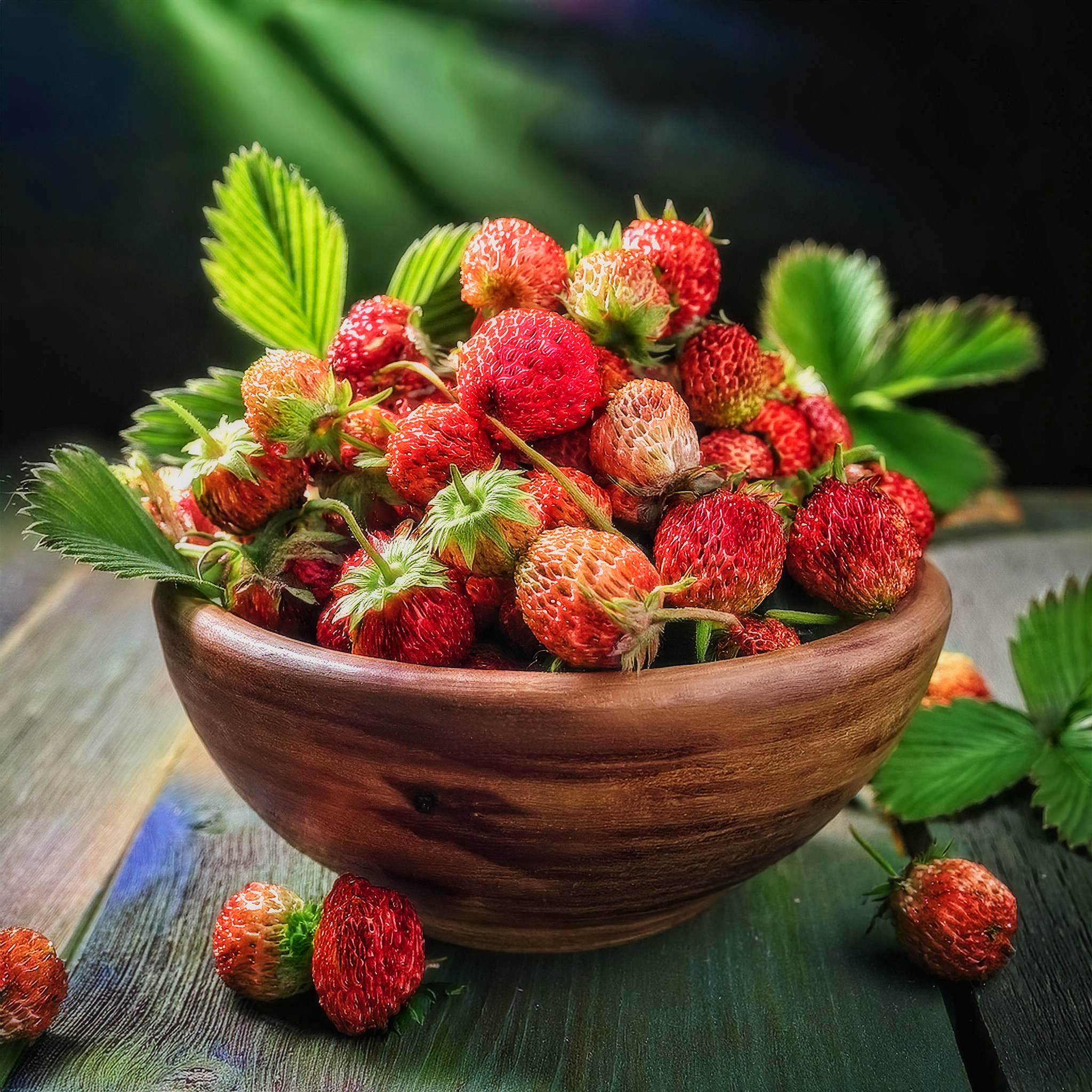
Wild Strawberries

August 21, 2024 by knobbyplate

In the quiet embrace of the forest, where sunlight filters through ancient trees, a hidden treasure awaits the patient seeker. Among the emerald leaves and whispering grasses, wild strawberries lie like scattered rubies, their crimson glow a secret gift of the earth. Each berry, a delicate promise, holds within it the essence of summer, the sweetness of sunlight, and the memory of rain.

Kneeling among the ferns, fingers brush against the tender fruit, plucking them with reverence, as if gathering tiny jewels from nature’s own crown. The taste is a fleeting moment of bliss, a connection to the wild and untamed, where the boundaries between human and earth blur. Each berry savored is a communion with the past, with ancestors who once foraged in these very woods, guided by the same instinctual knowledge.

Foraging for wild strawberries is a dance with time, a meditation on simplicity, where the heart slows to match the rhythm of the forest. It is an act of humility, of bowing to the land that sustains us, of recognizing the abundance that lies hidden in plain sight. In these quiet moments, we find not just sustenance, but a deeper understanding of the intricate web of life, where every tiny fruit is a testament to the beauty and generosity of the world.

Filed Under: Foraged, fruit, soft fruits, strawberries, vegan Tagged With: berries, foraged, soft fruit, strawberries, summer, summer fruit

A Vibrant, Fresh, Colourful Summer Salad

August 21, 2024 by knobbyplate

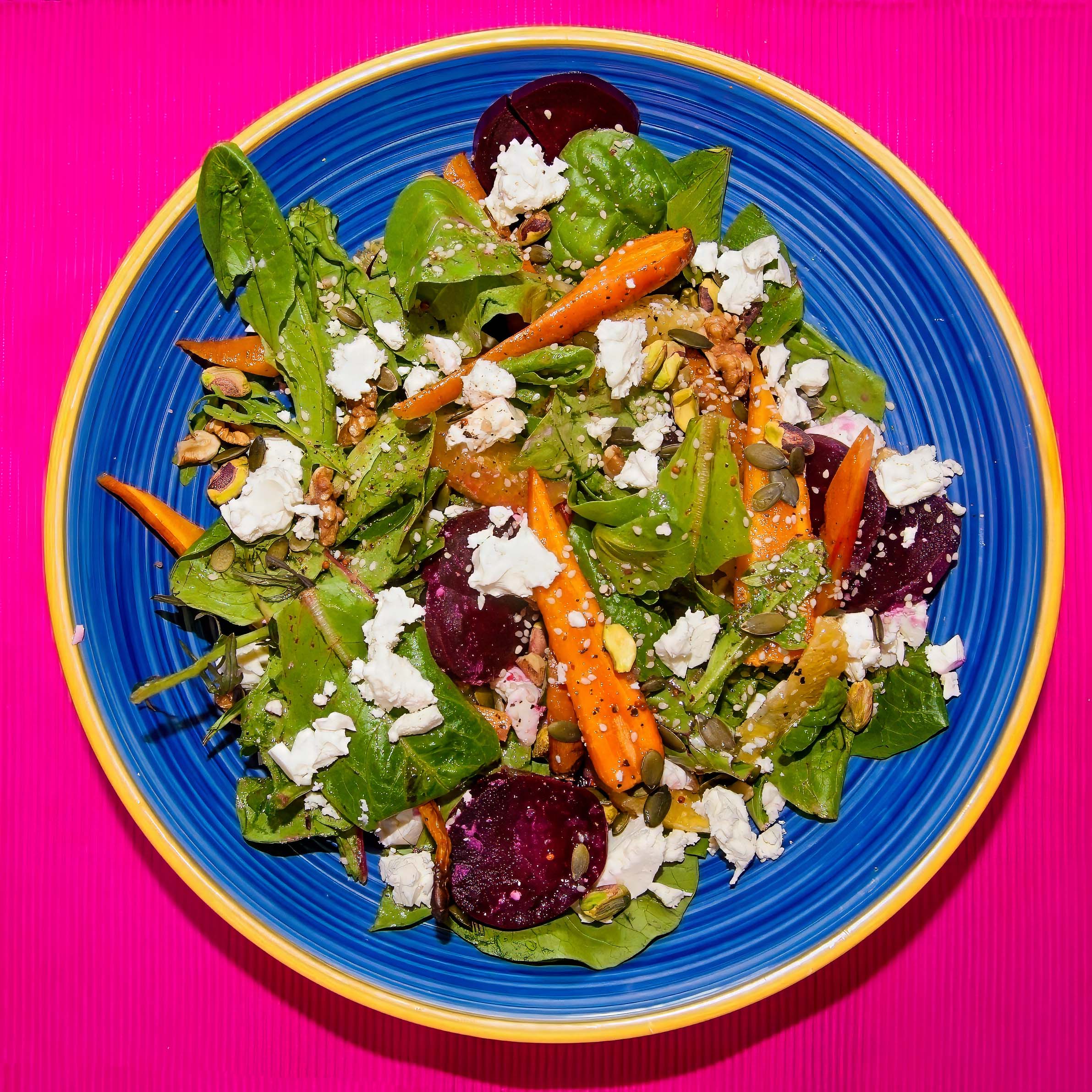
A vibrant summer salad is a symphony of nature’s colors and flavors, a radiant tapestry woven with the golden glow of roasted carrots, the deep crimson of beetroot jewels, and the emerald embrace of tender greens. Each bite is a burst of sunshine, sweetened by the honeyed kiss of caramelized roots and the tangy notes of balsamic drizzle. Toasted nuts add a whisper of earthiness, while crumbled cheese melts like morning dew upon the leaves. It’s a celebration of summer’s bounty, a dance of textures and tastes that delights the senses and nourishes the soul.

Save Print
A Vibrant, Fresh, Colourful Summer Salad
Author: Tony Tomlinson
Recipe type: Vegetarian
Cuisine: European
Prep time:  10 mins
Cook time:  20 mins
Total time:  30 mins
 
Ingredients
  • * Roasted Vegetables:
  • * 4 medium carrots, peeled and cut into thin strips
  • * 2 medium beetroots, peeled and cut into wedges
  • * 2 tbsp olive oil
  • * 1 tbsp honey
  • * 1 tsp cumin seeds
  • * Salt and pepper to taste
  • * Salad:
  • * 4 cups mixed salad leaves (e.g., arugula, baby spinach, and watercress)
  • * ¼ cup crumbled goat cheese or feta
  • * ¼ cup toasted walnuts or pecans
  • * ¼ cup pomegranate seeds or dried cranberries
  • * Dressing:
  • * 3 tbsp extra virgin olive oil
  • * 1 tbsp balsamic vinegar
  • * 1 tsp Dijon mustard
  • * 1 tsp honey
  • * Salt and pepper to taste
Instructions
  1. Roast the Vegetables:
  2. * Preheat the oven to 400°F (200°C).
  3. * Toss the carrots and beetroot with olive oil, honey, cumin seeds, salt, and pepper.
  4. * Spread them on a baking sheet and roast for 25-30 minutes, until tender and caramelized, stirring halfway through.
  5. Prepare the Dressing:
  6. * In a small bowl, whisk together the olive oil, balsamic vinegar, Dijon mustard, honey, salt, and pepper.
  7. Assemble the Salad:
  8. * In a large salad bowl, toss the mixed salad leaves with a bit of the dressing.
  9. * Arrange the roasted carrots and beetroot on top.
  10. * Sprinkle the crumbled goat cheese, toasted nuts, and pomegranate seeds or dried cranberries over the salad.
  11. * Drizzle with more dressing as desired.
  12. Serve:
  13. * Serve the salad immediately, either as a light meal on its own or as a side dish.
  14. This salad is a perfect balance of sweet, savory, and tangy flavors, making it an indulgent yet healthy choice for summer.
3.5.3251


Filed Under: carrots, cheese, salad leaves Tagged With: baby leaf salad, beetroot, carrots, cheese, goats cheese, salad

Nettle Pasta

August 14, 2024 by knobbyplate

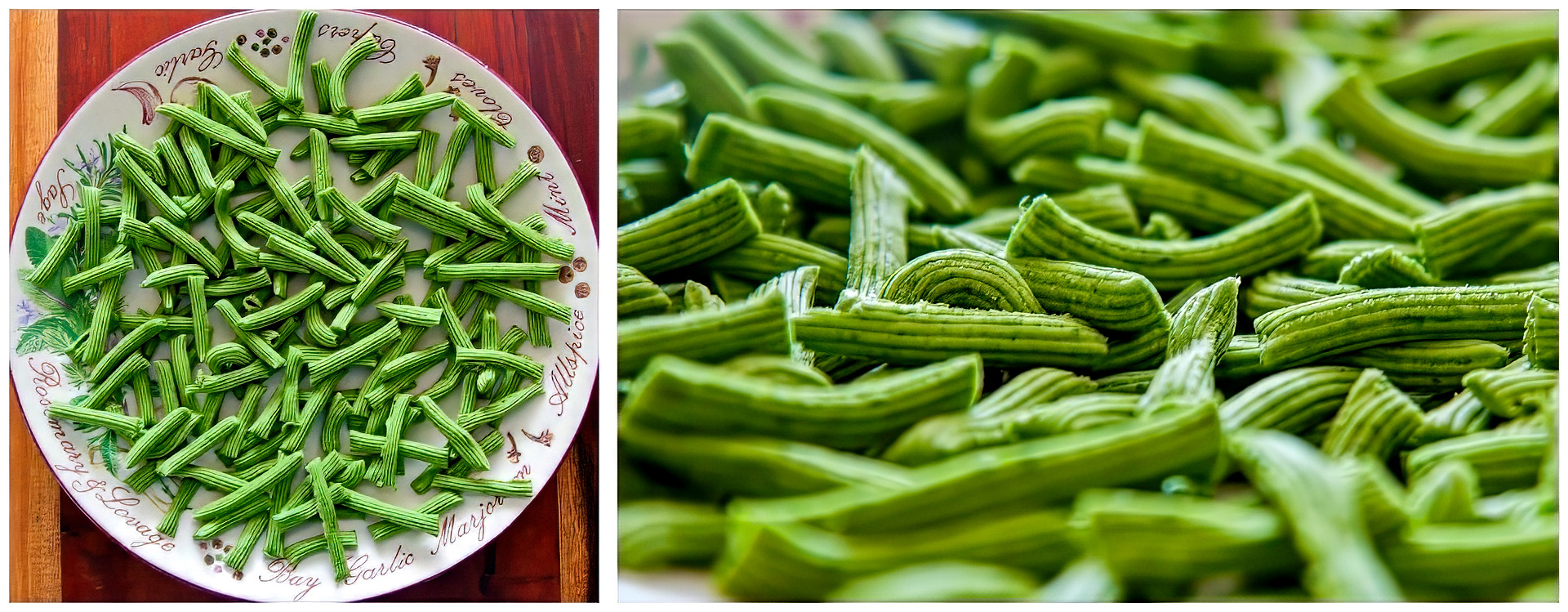
So today I thought I would give my body a real boost from nature. So I decided to collect and make some nettle pasta for dinner tonight. Didn’t have to walk far as my local church yard is full of fresh nettles and as they are seen as a weed I just knew the vicar would be happy for me to remove a bag full or two. Here are the benefits of eating nettles. Also another great benefit is in your pocket. A bag of 00 pasta costs around £1.25 and you only need about 20p worth of that flour to make this meal. Everything else is absolutely free. In todays cost of living crisis that makes this meal a real bargain.

Eating nettles offers several health benefits, as they are a nutrient-dense plant with a long history of use in traditional medicine. Here are some of the key benefits:

  1. Rich in Nutrients: Nettles are packed with vitamins (A, C, K, and several B vitamins), minerals (iron, calcium, magnesium, and potassium), and antioxidants. They also contain essential amino acids and are a good source of protein for a plant.
  2. Anti-inflammatory Properties: Nettles have been traditionally used to reduce inflammation. They contain compounds like polyphenols and flavonoids, which help in managing inflammatory conditions like arthritis.
  3. Allergy Relief: Nettles have natural antihistamine properties, which can help alleviate symptoms of hay fever and other allergic reactions. They work by inhibiting the production of histamine, a compound responsible for allergic symptoms.
  4. Supports Digestive Health: Nettles are a natural diuretic and have been used to relieve water retention and improve kidney function. They also support healthy digestion by acting as a mild laxative.
  5. Boosts Immune System: The high vitamin C and iron content in nettles can boost the immune system, helping to fight off infections and prevent anemia.
  6. Promotes Skin Health: Nettles are often used in skincare for their anti-inflammatory and antioxidant properties, which can help treat conditions like eczema and acne. They also promote healthy hair and scalp when used topically.
  7. May Support Cardiovascular Health: Nettles have been shown to lower blood pressure and improve circulation, thanks to their diuretic properties and ability to reduce inflammation. This can contribute to overall heart health.
  8. Helps with Pain Management: Nettles have been traditionally used to relieve pain, especially joint and muscle pain, through both ingestion and topical application.
  9. Blood Sugar Regulation: Some studies suggest that nettles may help regulate blood sugar levels, making them beneficial for managing diabetes.
  10. Detoxification: Nettles help detoxify the body by promoting the elimination of toxins through the kidneys. Their high chlorophyll content supports liver function and overall detoxification.

To enjoy these benefits, nettles can be consumed as a tea, in soups, as a vegetable (similar to spinach), or in supplement form. It’s important to cook or process nettles before eating to neutralize the stinging hairs on the leaves and stems.

Save Print
Nettle Pasta
Author: Tony Tomlinson
Recipe type: Foraged Vegan Food
Prep time:  45 mins
Cook time:  5 mins
Total time:  50 mins
 
Ingredients
  • 300g 00 grade pasta flour (or plain flour if all you have!)
  • A medium sized basket full (around half a carrier bag’s worth) of young nestle tops.
Instructions
  1. Bring a pot of salted water to the boil, grab the nettles with tongs or a pair of scissors and put them into the boiling water. Stir around and boil for 1 to 3 minutes, then turn off the heat and leave them to steep for ten minutes more.
  2. Pour the mixture into a blender and puree.
  3. Run this mixture through a sieve, removing any of the thick stems which may not have whizzed up in the blender. Squeeze out the pulp into the bowl, so you don’t waste a drop!
  4. Put the flour in a large bowl and make a well in the center. Add the nettle puree and gradually incorporate it into the flour until you get a shaggy mass. If it’s too stiff add a little more of the nettle water. Start folding the dough over itself until it comes together, then begin kneading. You don’t want to over knead/work the dough – a couple of minutes is plenty.
  5. Cover the dough with a thin film of olive oil and wrap in a beeswax cloth or damp tea towel. Let it sit for an hour minimum (although I like to leave mine overnight to mature the flavour).
  6. Cut off a piece of the dough and roll it out until its really thin on a lightly floured chopping board.
  7. Once you have your sheet of pasta, you can cut it into lengths using a sharpe knife or my favourite tool for making pasta – a pizza roller!
  8. Lay each pasta length/noodle over a rolling pin resting on top of a mixing bowl – or the back on a wooden chair.
  9. Boil in lots of salty water until they float, and then for another minute or two.
  10. Once all noodles have cooked, served with a splash of olive or walnut oil and a generous grating of cheese (I like parmesan – but you could go with a cheddar or vegan cheese).
3.5.3251


Filed Under: Foraged, Main Course, pasta, vegan Tagged With: foraged, healthy, pasta, vegan, vegetarian

Marsh Samphire

July 14, 2024 by knobbyplate


Not strictly allowed to do this in Chichester Harbour Conservancy as it’s an area of special scientific interest (SSSI) and an area of outstanding natural beauty (AONB). Went out with a friend to forage some marsh samphire very early this morning. We only took what we needed and left the vast majority of it alone to continue propagating and growing. I do love foraging for as much free food as I can get. Waitrose would charge you in excess of £5 for a quarter of what I have gathered here.

Marsh samphire, also known as glasswort, sea asparagus, or salicornia, is a succulent halophyte (salt-tolerant plant) found in coastal regions, salt marshes, and along saline lakeshores. Here are some key details about marsh samphire:

Characteristics:

  1. Appearance: Marsh samphire has fleshy, bright green stems that resemble asparagus. The stems are jointed and segmented.
  2. Taste: It has a crisp texture and a salty flavor, often described as a mix between asparagus and seaweed.
  3. Nutritional Value: Samphire is rich in vitamins A and C, and minerals such as iodine, magnesium, and potassium. It’s low in calories and can be a good source of dietary fiber.

Culinary Uses:

  1. Raw: It can be eaten raw in salads, providing a crunchy texture and a salty taste.
  2. Cooked: Often lightly blanched, steamed, or sautéed, it is used as a garnish or side dish, particularly with seafood. It can also be pickled.
  3. Preservation: Due to its high salt content, it can be preserved for extended periods.

Harvesting:

  • Samphire is typically harvested in the summer months. It is often foraged from the wild, though there are also cultivated sources.

Filed Under: Foraged Tagged With: foraged, marsh samphire, samphire, seasonal, seasonal veg

Roasted Root Vegetables, Beetroot, Parsnips, Carrots and Red Onion

May 15, 2024 by knobbyplate

Roasted root vegetables are such a classic and comforting dish, perfect for any occasion! The combination of beetroot, parsnips, carrots, and red onion offers a delightful mix of flavors and colors. Here’s a simple recipe to make them:

Save Print
Roasted Root Vegetables, Beetroot, Parsnips, Carrots and Red Onion
Author: Tony Tomlinson
Recipe type: Vegetarian
Cuisine: Mediterranean
Prep time:  10 mins
Cook time:  30 mins
Total time:  40 mins
 
Ingredients
  • 2 medium-sized beetroots, peeled and diced
  • 3 medium-sized parsnips, peeled and diced
  • 3 medium-sized carrots, peeled and diced
  • 1 large red onion, peeled and cut into wedges
  • 3 tablespoons olive oil
  • Salt and pepper to taste
  • Optional: herbs like thyme or rosemary for extra flavor
Instructions
  1. Preheat your oven to 200°C (400°F).
  2. In a large mixing bowl, combine all the diced vegetables.
  3. Drizzle the olive oil over the vegetables and toss them until evenly coated.
  4. Season with salt, pepper, and any herbs you're using. Toss again to distribute the seasoning.
  5. Spread the vegetables out onto a large baking tray in a single layer, ensuring they're not overcrowded. You can use two trays if needed.
  6. Roast in the preheated oven for about 25-30 minutes, or until the vegetables are tender and lightly caramelized, stirring halfway through to ensure even cooking.
  7. Once done, remove from the oven and serve hot as a side dish to your favorite main course.
3.5.3251

These roasted root vegetables are not only delicious but also packed with nutrients and vibrant colors that will brighten up any meal! Enjoy!


Filed Under: carrots, Main Course, Mediterranean, onion, vegan, Vegetables, vegetarian Tagged With: beetroot, carrots, parsnips, red onions, roasted root vegetables

Vegan Chickpea Curry

May 8, 2024 by knobbyplate

Vegan curry offers a plethora of benefits, making it a delicious and nutritious choice for anyone, regardless of their dietary preferences. Here are some of the key benefits:

  1. Nutrient-rich: Vegan curries often contain a variety of vegetables, legumes, and spices, providing a wide range of essential nutrients such as vitamins, minerals, and antioxidants. These nutrients are crucial for maintaining overall health and well-being.
  2. High in fiber: Ingredients like vegetables, lentils, and beans in vegan curries are high in fiber, which is important for digestive health. Fiber can help regulate bowel movements, lower cholesterol levels, and control blood sugar levels.
  3. Low in saturated fat: Vegan curries typically use plant-based oils instead of animal fats, making them lower in saturated fat and cholesterol. This can contribute to heart health and help reduce the risk of cardiovascular diseases.
  4. Promotes weight management: Due to their high fiber content and lower calorie density compared to meat-based dishes, vegan curries can be a great option for those looking to manage their weight. The fiber and protein in plant-based ingredients also help keep you feeling full and satisfied for longer periods.
  5. Supports environmental sustainability: Choosing vegan curry over meat-based dishes can have a positive impact on the environment. Plant-based diets generally have a lower carbon footprint and require fewer natural resources such as water and land, helping to reduce greenhouse gas emissions and preserve biodiversity.
  6. Versatile and flavorful: Vegan curries come in a variety of flavors and styles from different regions around the world, offering a diverse culinary experience. With the right combination of herbs and spices, vegan curries can be just as flavorful and satisfying as their meat-based counterparts.
  7. Allergy-friendly: Vegan curries are free from common allergens such as dairy, eggs, and gluten, making them suitable for people with food sensitivities or allergies. They can be easily customized to accommodate various dietary restrictions and preferences.

Overall, vegan curry is a delicious and nutritious option that offers numerous health benefits, supports environmental sustainability, and can be enjoyed by people with various dietary preferences and restrictions.


Save Print
Vegan Chickpea Curry
Author: Tony Tomlinson
Recipe type: Curry
Cuisine: India
Prep time:  10 mins
Cook time:  30 mins
Total time:  40 mins
 
Ingredients
  • 2 shallots
  • 3 cloves of garlic
  • Thumb sized piece ginger
  • 2 peppers
  • 1 tin chickpeas drained
  • 400ml coconut milk
  • 400ml tinned tomatoes
  • 1 heaped teaspoon of peanut butter
  • 1 tbsp curry powder
  • 1 tsp turmeric
  • ½ tsp cumin powder
  • large pinch of salt
  • 50g spinach
  • squeeze of 1 lime
  • sprinkle chilli flakes
Instructions
  1. Roughly chop the shallots, ginger and garlic and get into a hot pan with a drizzle of oil
  2. In the meantime chop the peppers, add to the pan
  3. After a minute or two add the drained chickpeas and tinned tomatoes
  4. Add the spices and seasoning followed by the coconut milk
  5. Stir together on a high heat then add in the peanut butter
  6. Add the spinach just before serving and sprinkle with chilli flakes and a good squeeze of lime
3.5.3251


Filed Under: Main Course, Spices, Uncategorized, vegan, Vegetables Tagged With: chickpeas, indian, spices, teaspoon, vegan curry

Next Page »

Primary Sidebar

About Me

I grew up in Scotland where I learned to forage as a child with my parents for berries on the local moors. I have had a love of all things vegetarian for many many years and this blog will reflect my daily affordable healthy daily diet. As well as being a keen cook I am also a passionate photographer so all the images on this site have been photographed by me. I also intend to use this blog to recommend my favorite cook books to you.

Social Media

  • Instagram

Recipe & Blog Archive

  • February 2026 (1)
  • November 2025 (1)
  • June 2025 (3)
  • May 2025 (3)
  • April 2025 (7)
  • December 2024 (3)
  • October 2024 (1)
  • August 2024 (3)
  • July 2024 (1)
  • May 2024 (2)
  • April 2024 (3)
  • February 2024 (8)
  • January 2024 (4)
  • September 2017 (1)
  • August 2017 (9)
  • July 2017 (13)

Tag Cloud

affordable asparagus baby leaf salad beans beetroot blackberry bread brocolli carrots cauliflower cheap cheese comforting cookbooks cous cous focaccia foraged free food garlic goats cheese healthy healthy eating italian lemons main course market stall middle eastern mushrooms nettles pasta pesto rosemary salad samphire seasonal spinach springtime summer vegan vegan bowl vegetarian veggie wild garlic wild mushrooms woodland

Blogpost Dates

July 2026
M T W T F S S
 12345
6789101112
13141516171819
20212223242526
2728293031  
« Feb    

Featured Ingredients

ASPARAGUS

Copyright © 2026 · Foodie Pro & The Genesis Framework

Manage Consent
To provide the best experiences, we use technologies like cookies to store and/or access device information. Consenting to these technologies will allow us to process data such as browsing behavior or unique IDs on this site. Not consenting or withdrawing consent, may adversely affect certain features and functions.
Functional Always active
The technical storage or access is strictly necessary for the legitimate purpose of enabling the use of a specific service explicitly requested by the subscriber or user, or for the sole purpose of carrying out the transmission of a communication over an electronic communications network.
Preferences
The technical storage or access is necessary for the legitimate purpose of storing preferences that are not requested by the subscriber or user.
Statistics
The technical storage or access that is used exclusively for statistical purposes. The technical storage or access that is used exclusively for anonymous statistical purposes. Without a subpoena, voluntary compliance on the part of your Internet Service Provider, or additional records from a third party, information stored or retrieved for this purpose alone cannot usually be used to identify you.
Marketing
The technical storage or access is required to create user profiles to send advertising, or to track the user on a website or across several websites for similar marketing purposes.
  • Manage options
  • Manage services
  • Manage {vendor_count} vendors
  • Read more about these purposes
View preferences
  • {title}
  • {title}
  • {title}