• Skip to content
  • Skip to primary sidebar

The Knobbly Plate

A veggie, foodie, photography site

onion

Pumkin & Carlin Pea Spiced Dhal

November 24, 2025 by knobbyplate

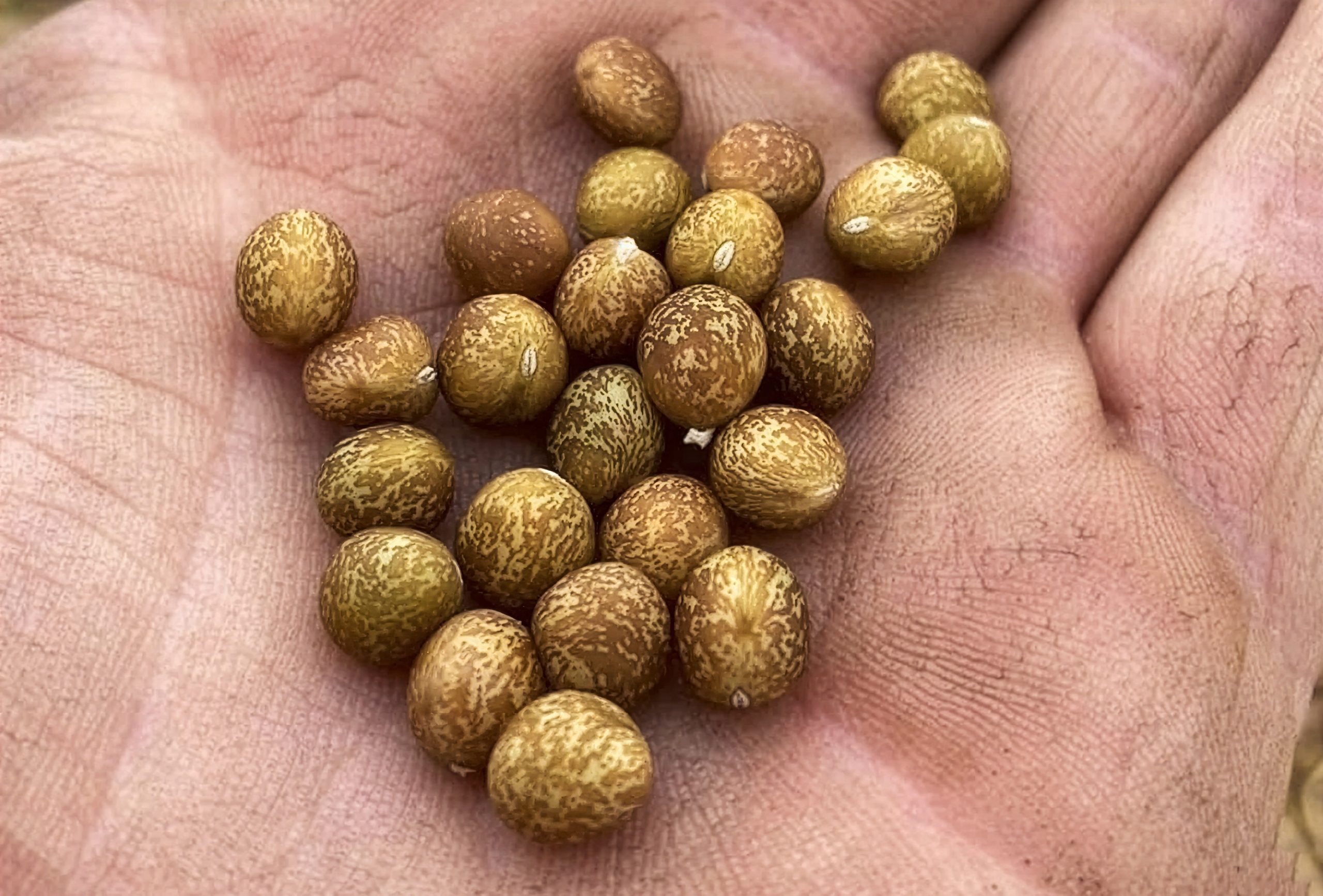
Carlin beans—also called Carlin peas, black peas, or parched peas—are small, dark brown maple peas traditionally eaten in northern England, especially Lancashire and Yorkshire. They have a nutty, earthy flavour and a firm texture. Historically, they were cooked and served with vinegar and pepper during “Carlin Sunday,” a regional Lenten tradition. Today, they’re enjoyed in stews, salads, and hearty side dishes, valued for being high-protein, inexpensive, and very filling.
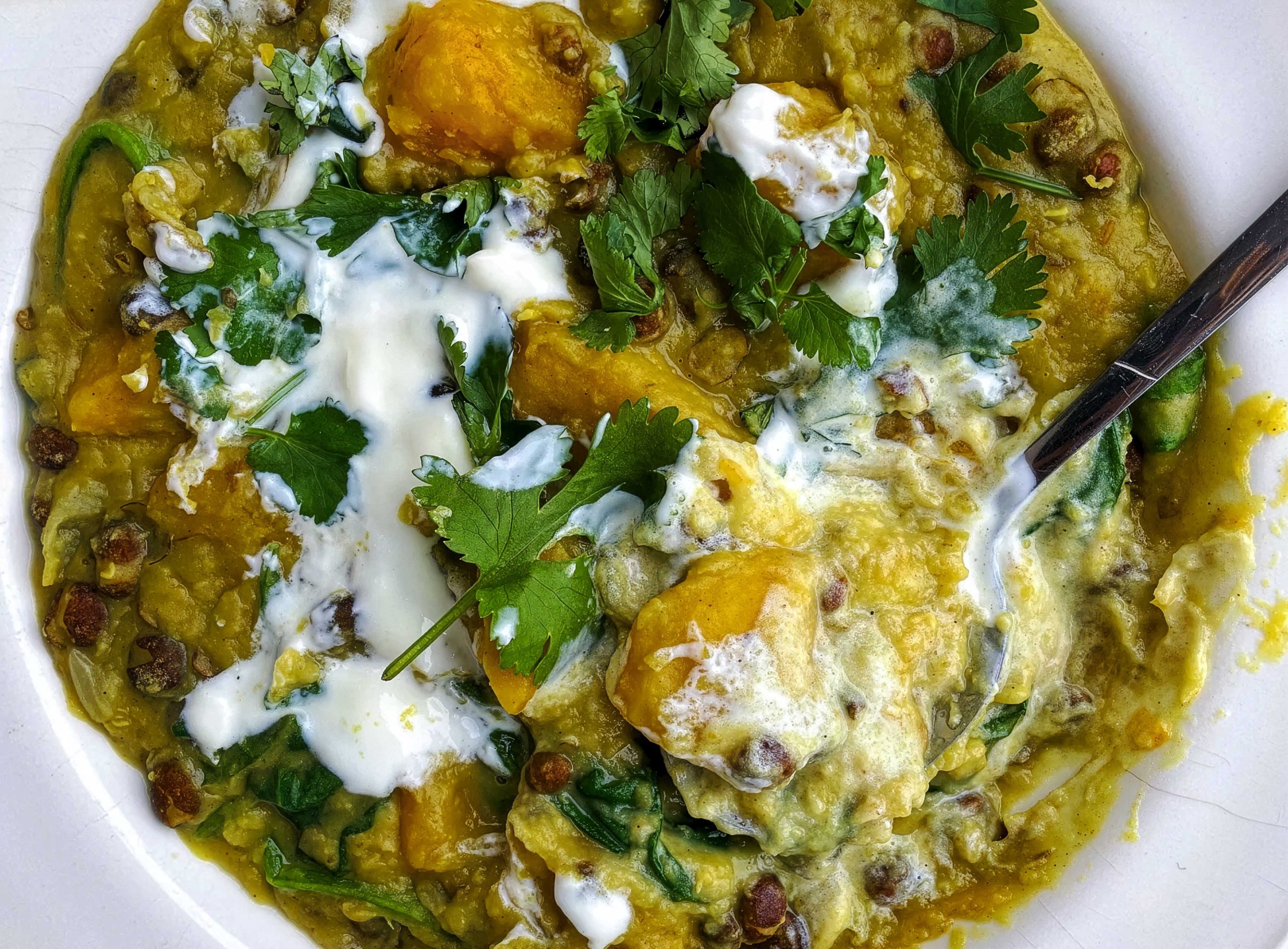
A bowl of pumpkin and Carlin pea spiced dhal is like stepping into a warm glow after walking through icy dusk—an embrace of colour, scent, and slow-cooked comfort. The moment the spoon breaks its surface, steam curls upward in soft, fragrant ribbons, carrying with it the earthy sweetness of pumpkin and the deep, nut-brown aroma of Carlin peas. These humble peas, with their firm bite and woodsy character, anchor the dish like little embers scattered through a golden-orange sea. The dhal thickens around them, velvety and luminous, a tapestry woven from simmered pulses, softened pumpkin, and spices blooming in oil.

On a winter evening, the air outside feels sharp, almost metallic, but inside the kitchen there is warmth that pulses gently from stove to fingertips. Mustard seeds crackle in a pan like tiny sparks. Cumin unfurls its warm breath. Turmeric glows amber, and coriander whispers citrusy brightness. When the garlic sizzles and the ginger releases its rising heat, the spices mingle into a kind of edible perfume—one that fills the whole room, drifting into corners, clinging to wool scarves and sleeves.

The pumpkin softens into buttery chunks, some melting into the dhal to add body, others holding their shape like sweet lanterns. The Carlin peas resist just enough, giving each mouthful a rhythm—soft, then firm, then soft again. A swirl of coconut cream brings a mellow richness, while a final squeeze of lime brightens the shadows of spice. Fresh coriander leaves scatter across the top like green flecks of winter hope.

Eating it is a slow, warming ritual: hands around the bowl, heat radiating into palms; the first taste spreading warmth down to the chest; the spices blooming wider with every bite. Outside, the world may be frost-bitten and quiet, but this dish creates its own weather—an inner fire, steady and glowing, the kind that turns a cold night into something gentle, human, and deeply, deliciously alive.

Save Print
Pumkin &Carlin Pea Spiced Dhal
Author: Tony Tomlinson
Recipe type: Vegetarian
Cuisine: European
Prep time:  10 mins
Cook time:  40 mins
Total time:  50 mins
Serves: 4
 
A simple winter warmer using everything that is in season in the winter months.
Ingredients
  • 2 medium onions, diced
  • 3 cloves of garlic, finely chopped
  • 1 knob of ginger, grated
  • 750g pumpkin or squash, peeled and chopped into medium chunks
  • 1 jar of Queen Carlin Peas with their bean stock
  • 1 tbsp cumin seeds
  • 1 tbsp curry powder
  • 1½ tsp turmeric
  • 250g split red lentils
  • 1 x 400g can of full fat coconut milk
  • 700ml veg or chicken stock
  • The juice of ½ lime
  • TO SERVE
  • Greek yoghurt - Or vegan alternative
  • 1 small bunch of fresh coriander, leaves roughly chopped
  • Lime wedges
  • Nigella or sunflower seeds
  • Mango chutney (optional)
  • Naan or rice
Instructions
  1. Heat one tablespoon of olive oil over a medium heat and add the onions with a pinch of salt. Once the onions are slightly browned (roughly 7-8 minutes), add the ginger and garlic and cook for a further 2 minutes.
  2. Add the cumin, curry powder and turmeric with the chunks of pumpkin and red lentils. Toss the lentils and pumpkin to coat in the spices.
  3. Add the jar of Queen Carlin Peas with their bean stock, the coconut milk and veg stock. Cover and simmer the dhal for 30-40 minutes, until it becomes thick and starchy and the pumpkin is soft, stirring every so often to stop the lentils from sticking to the bottom of the pan. Add water if it becomes too dry.
  4. Once the dhal is nearly cooked, squeeze in the lime juice and check for seasoning.
  5. Spoon the dhal into bowls. Top with a dollop of yoghurt, fresh coriander and a squeeze of lime. Add some mango chutney for sweetness too, if you like. Serve with rice or naan for something heartier.
3.5.3251


Filed Under: herbs, Main Course, mediteranean, Mediterranean, onion, pulses, Spices, Uncategorized, vegan, vegetarian Tagged With: carlinpeas, legumes, pumpkin, vegan, vegetarian, winterdish

Foraged Palestinian Sautéed Common Mallow

April 27, 2025 by knobbyplate


Along the winding edge of a quiet woodland path, I found myself drawn to the soft, sprawling presence of common mallow. It grew in loose, cheerful patches, its round, gently crinkled leaves lifting toward the light like open palms. The green was vivid yet somehow muted under the shifting shadows of the trees, giving the plants an earthy, lived-in beauty that only wild things seem to carry.

The mallow leaves were tender to the touch, with a slight fuzz that clung warmly to my fingers as I plucked a handful. They had an almost unassuming, homey look about them, their small, pale lilac flowers tucked shyly between the foliage. Holding a leaf to my mouth, I tasted it — mild, almost blank, offering little more than a faint, green freshness. It’s not the kind of plant that demands attention with bold or bitter notes. Instead, it waits quietly, a canvas for whatever flavours you choose to lay upon it.

Later, in the kitchen, I tossed the mallow into a heavy pan along with garlic, lemon, and a fistful of wild herbs. As the leaves wilted in the gentle heat, they softened into a silky, lush texture, drinking in the rich scents around them. They became a vessel for the meal’s essence, each bite carrying the sharpness of garlic, the brightness of citrus, the deep, resinous snap of rosemary. It was as though the mallow had surrendered itself completely to the surrounding flavours, giving them a new, tender place to bloom.

There’s a kind of magic in these humble greens — not in their taste, but in their willing transformation. Along the path, they stood as quiet witnesses to the passage of the seasons, thriving without fuss in the margins where the wild world meets the wandering human heart. And in the pan, they became something greater than themselves, a bridge between the forest’s edge and the comforts of a warm, fragrant meal. As I ate, I thought of the path, the whisper of wind in the leaves, and the quiet gift the mallow had offered — a soft, green memory stitched into every mouthful.

Save Print
Foraged Palastinian Sautéed Common Mallow
Author: Tony Tomlinson
Recipe type: Vegan/vegetarian
Cuisine: British Foraged
Prep time:  10 mins
Cook time:  3 mins
Total time:  13 mins
Serves: 4 persons
 
Ingredients
  • ½ Tb Olive oil
  • 2 cups Common mallow , roughly chopped
  • Pinch of Salt and black pepper
  • 1 Small onion, thinly sliced
  • 4 Garlic cloves crushed
  • 1 Lemon
Instructions
  1. Heat a skillet on a medium heat, add olive oil.
  2. Add the onion& garlic and sauté for 2-3 minutes.
  3. Add the common mallow leaves, toss the leaves, add salt and pepper
  4. Add a squeeze of lemon , and serve immediately. Refrigerate any leftovers for couple of days only.
3.5.3251


Filed Under: Foraged, Main Course, mediteranean, Mediterranean, onion, Uncategorized, vegan, Vegetables, vegetarian Tagged With: common mallow, free food, middle eastern, palestinian, sauteed, vegan, vegetarian

Roasted Root Vegetables, Beetroot, Parsnips, Carrots and Red Onion

May 15, 2024 by knobbyplate

Roasted root vegetables are such a classic and comforting dish, perfect for any occasion! The combination of beetroot, parsnips, carrots, and red onion offers a delightful mix of flavors and colors. Here’s a simple recipe to make them:

Save Print
Roasted Root Vegetables, Beetroot, Parsnips, Carrots and Red Onion
Author: Tony Tomlinson
Recipe type: Vegetarian
Cuisine: Mediterranean
Prep time:  10 mins
Cook time:  30 mins
Total time:  40 mins
 
Ingredients
  • 2 medium-sized beetroots, peeled and diced
  • 3 medium-sized parsnips, peeled and diced
  • 3 medium-sized carrots, peeled and diced
  • 1 large red onion, peeled and cut into wedges
  • 3 tablespoons olive oil
  • Salt and pepper to taste
  • Optional: herbs like thyme or rosemary for extra flavor
Instructions
  1. Preheat your oven to 200°C (400°F).
  2. In a large mixing bowl, combine all the diced vegetables.
  3. Drizzle the olive oil over the vegetables and toss them until evenly coated.
  4. Season with salt, pepper, and any herbs you're using. Toss again to distribute the seasoning.
  5. Spread the vegetables out onto a large baking tray in a single layer, ensuring they're not overcrowded. You can use two trays if needed.
  6. Roast in the preheated oven for about 25-30 minutes, or until the vegetables are tender and lightly caramelized, stirring halfway through to ensure even cooking.
  7. Once done, remove from the oven and serve hot as a side dish to your favorite main course.
3.5.3251

These roasted root vegetables are not only delicious but also packed with nutrients and vibrant colors that will brighten up any meal! Enjoy!


Filed Under: carrots, Main Course, Mediterranean, onion, vegan, Vegetables, vegetarian Tagged With: beetroot, carrots, parsnips, red onions, roasted root vegetables

Winter vegetables in the style of Dutch Masters

February 10, 2024 by knobbyplate

Creating food photography in the style of Dutch Masters involves drawing inspiration from the paintings of artists like Rembrandt, Vermeer, and Jan Steen. Here are some tips to achieve this aesthetic:

  1. Lighting: Dutch Masters paintings often feature dramatic lighting with strong contrasts between light and shadow. Use soft, directional lighting to create a similar effect on your food. Side lighting or lighting from a single source can help to create depth and drama in your images.
  2. Composition: Dutch Masters paintings often have a sense of balance and harmony in their composition. Arrange your food in a way that creates interesting shapes and lines within the frame. Consider using props like vintage plates, utensils, and fabrics to add visual interest.
  3. Color Palette: Dutch Masters paintings often feature rich, earthy tones with accents of deep reds, greens, and blues. Choose a color palette for your food and props that reflects this aesthetic. Deep red meats, golden bread, and rich sauces can all add warmth and richness to your images.
  4. Texture and Detail: Dutch Masters paintings are known for their meticulous attention to detail. Capture the texture of your food using close-up shots and shallow depth of field. Focus on the intricate details of ingredients like grains of rice, flakes of salt, or the texture of crusty bread.
  5. Backdrop: Choose a backdrop that complements the colors and mood of your food. Rich, dark backgrounds can help to create a sense of drama and contrast, while lighter backgrounds can add a sense of freshness and brightness to your images.
  6. Props: Incorporate props that add to the narrative of your food photography. Vintage tableware, rustic bread baskets, and fresh herbs can all help to evoke the feeling of a Dutch Masters still life painting.
  7. Arrangement: Pay attention to the arrangement of your food and props within the frame. Experiment with different compositions and angles to find the most visually compelling arrangement.
  8. Post-Processing: Finally, consider post-processing techniques to enhance the mood and atmosphere of your images. Adjusting contrast, saturation, and color balance can help to achieve the rich, painterly look of Dutch Masters paintings.

By incorporating these elements into your food photography, you can create images that evoke the timeless beauty and sophistication of Dutch Masters still life paintings.

Filed Under: cabbage, onion, still life, Uncategorized Tagged With: cabbage, savoy cabbage, seasonal, seasonal veg, still life, winter vegetables

Primary Sidebar

About Me

I grew up in Scotland where I learned to forage as a child with my parents for berries on the local moors. I have had a love of all things vegetarian for many many years and this blog will reflect my daily affordable healthy daily diet. As well as being a keen cook I am also a passionate photographer so all the images on this site have been photographed by me. I also intend to use this blog to recommend my favorite cook books to you.

Social Media

  • Instagram

Recipe & Blog Archive

  • November 2025 (1)
  • June 2025 (3)
  • May 2025 (3)
  • April 2025 (7)
  • December 2024 (3)
  • October 2024 (1)
  • August 2024 (3)
  • July 2024 (1)
  • May 2024 (2)
  • April 2024 (3)
  • February 2024 (8)
  • January 2024 (4)
  • September 2017 (1)
  • August 2017 (9)
  • July 2017 (13)

Tag Cloud

affordable asparagus baby leaf salad beans beetroot blackberry bread brocolli carrots cauliflower cheap cheese comforting cookbooks cous cous focaccia foraged free food garlic goats cheese healthy healthy eating italian lemons main course market stall middle eastern mushrooms nettles pasta pesto rosemary salad samphire seasonal spinach springtime summer vegan vegan bowl vegetarian veggie wild garlic wild mushrooms woodland

Blogpost Dates

January 2026
M T W T F S S
 1234
567891011
12131415161718
19202122232425
262728293031  
« Nov    

Featured Ingredients

ASPARAGUS

Copyright © 2026 · Foodie Pro & The Genesis Framework

Manage Consent
To provide the best experiences, we use technologies like cookies to store and/or access device information. Consenting to these technologies will allow us to process data such as browsing behavior or unique IDs on this site. Not consenting or withdrawing consent, may adversely affect certain features and functions.
Functional Always active
The technical storage or access is strictly necessary for the legitimate purpose of enabling the use of a specific service explicitly requested by the subscriber or user, or for the sole purpose of carrying out the transmission of a communication over an electronic communications network.
Preferences
The technical storage or access is necessary for the legitimate purpose of storing preferences that are not requested by the subscriber or user.
Statistics
The technical storage or access that is used exclusively for statistical purposes. The technical storage or access that is used exclusively for anonymous statistical purposes. Without a subpoena, voluntary compliance on the part of your Internet Service Provider, or additional records from a third party, information stored or retrieved for this purpose alone cannot usually be used to identify you.
Marketing
The technical storage or access is required to create user profiles to send advertising, or to track the user on a website or across several websites for similar marketing purposes.
  • Manage options
  • Manage services
  • Manage {vendor_count} vendors
  • Read more about these purposes
View preferences
  • {title}
  • {title}
  • {title}