• Skip to content
  • Skip to primary sidebar

The Knobbly Plate

A veggie, foodie, photography site

wild food

Foraged Wild Chickweed Salad

February 9, 2026 by knobbyplate

How to use it: its tender leaves can go in salads with lemon and olive oil dressing. Blend into homemade pesto, or use to liven up just about any dish really. The tiny white, edible flowers make a pretty salad garnish.

What to look for: it’s a tough, creeping annual common throughout the UK on waste ground and in gardens. It’s abundant throughout the year from spring to late autumn. Look for its small, white, star-like white flowers. Look for it from February.

A fresh early-season foraged salad of chickweed is a quiet celebration of late winter’s generosity. Gathered in early February, when the land is still holding its breath, chickweed thrives low to the ground, tender and vibrant against the muted earth. Its delicate stems trail like green threads, dotted with small, star-shaped leaves and tiny white flowers that seem almost improbable at this time of year. Plucked fresh, it carries the scent of clean soil and cool air, a reminder that spring is already stirring beneath the frost.

On the palate, chickweed is mild and refreshing, with a gentle sweetness and a soft, grassy crunch that feels nourishing rather than bold. Tossed simply—perhaps with a squeeze of lemon, a drizzle of good olive oil, and a pinch of sea salt—it needs very little embellishment. Its freshness is the point. Each bite tastes alive, hydrating, and light, as if the plant has captured the season’s first promise of warmth.

As a vegan dish, this salad feels especially honest: no substitutions, no imitations, just plants as they are. Rich in vitamins and minerals, chickweed has long been valued as both food and gentle medicine, making it as healthy as it is humble. Served at the start of an early foraging trip, it grounds you in the moment. You’re eating what the land is offering right now, at its quietest and most resilient.

This salad isn’t about abundance or excess. It’s about attentiveness—kneeling close to the ground, noticing what’s growing, and welcoming the year back one fresh, green mouthful at a time.

Save Print
Foraged Wild Chickweed Salad
Author: Tony Tomlinson
Recipe type: Foraged
Cuisine: British Woodland
Prep time:  10 mins
Cook time:  5 mins
Total time:  15 mins
Serves: 1 Person
 
Ingredients
  • 1 cup chickweed leaves
  • 
1 bunch spring onions or 1 small red onion finely sliced
  • 1 beet
  • 
pinch of sea salt
  • 3 tbsp organic coconut oil
  • 2 tbsp wine vinegar
  • ½ tsps mustard of choice
Instructions
  1. Rinse and drain chickweed.
  2. Thinly cut spring onions.
  3. Grate a raw beet.
  4. Place in bowl.
  5. Combine the coconut oil, wine vinegar and mustard well then toss through salad.
  6. Sprinkle a pinch of salt over salt and enjoy.
3.5.3251


Filed Under: Foraged, herbs, Main Course, Salad, salad leaves, Uncategorized, vegan, vegetarian Tagged With: british, chickweed, foraged, salad, vegan, vegetarian, wild food

Foraging For Wild Mushrooms and their Health Benefits

October 16, 2024 by knobbyplate

Wild mushroom foraging is the practice of gathering mushrooms from natural habitats like forests, meadows, and woodlands. It offers a deep connection with nature and a chance to discover unique, flavorful varieties that aren’t available in stores. Foraging encourages physical activity, mindfulness, and a deeper appreciation for ecosystems, as identifying safe, edible species requires keen observation and knowledge.

Eating wild mushrooms comes with numerous nutritional benefits. They are rich in vitamins (like B vitamins and vitamin D), minerals (including potassium, zinc, and selenium), and antioxidants that support immune function and overall health. Wild varieties, such as chanterelles, morels, and porcini, often contain higher concentrations of these nutrients compared to their cultivated counterparts. Additionally, they are low in calories and high in fiber, promoting digestive health.
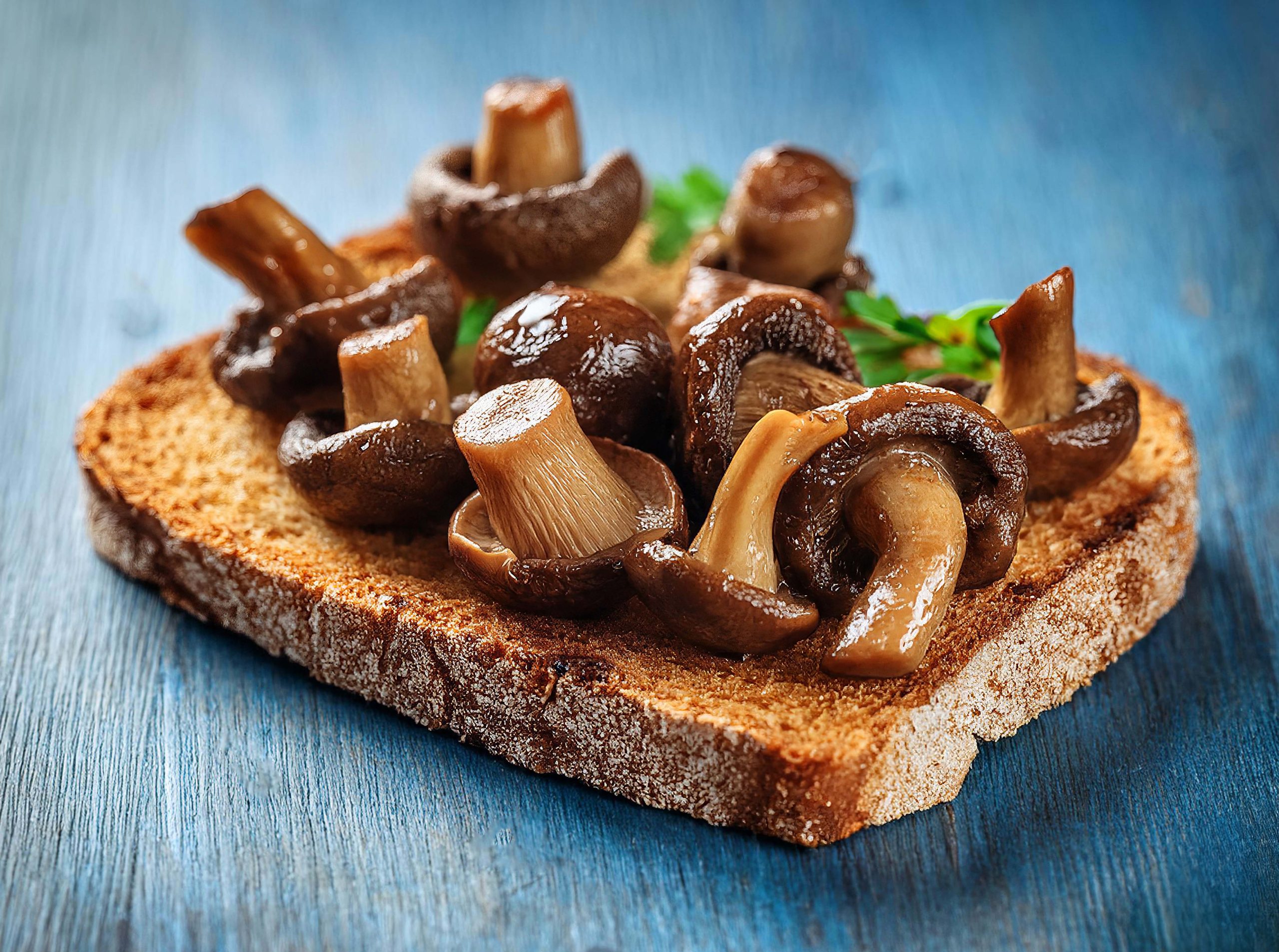
Beyond their nutritional value, wild mushrooms add unique textures and complex flavors to dishes, from earthy and nutty to subtly fruity. Their rich umami quality can elevate the taste profile of soups, sauces, and sautés. However, it’s crucial to forage responsibly, ensuring correct identification to avoid toxic varieties. For those who practice safety and respect for the environment, wild mushroom foraging can be a rewarding, delicious way to connect with nature.

Filed Under: Foraged, Mushrooms, vegan, Vegetables, vegetarian Tagged With: foraging, free food, healthy, mushrooms, vegan, vegetarian, wild food, wild mushrooms, woodland, woodland produce

Primary Sidebar

About Me

I grew up in Scotland where I learned to forage as a child with my parents for berries on the local moors. I have had a love of all things vegetarian for many many years and this blog will reflect my daily affordable healthy daily diet. As well as being a keen cook I am also a passionate photographer so all the images on this site have been photographed by me. I also intend to use this blog to recommend my favorite cook books to you.

Social Media

  • Instagram

Recipe & Blog Archive

  • February 2026 (2)
  • November 2025 (1)
  • June 2025 (3)
  • May 2025 (3)
  • April 2025 (7)
  • December 2024 (3)
  • October 2024 (1)
  • August 2024 (3)
  • July 2024 (1)
  • May 2024 (2)
  • April 2024 (3)
  • February 2024 (8)
  • January 2024 (4)
  • September 2017 (1)
  • August 2017 (9)
  • July 2017 (13)

Tag Cloud

affordable asparagus baby leaf salad beans beetroot blackberry bread british brocolli carrots cauliflower cheap cheese comforting cookbooks cous cous focaccia foraged free food garlic goats cheese healthy healthy eating italian lemons main course middle eastern mushrooms nettles pasta pesto rosemary salad samphire seasonal spinach springtime summer vegan vegan bowl vegetarian veggie wild garlic wild mushrooms woodland

Blogpost Dates

March 2026
M T W T F S S
 1
2345678
9101112131415
16171819202122
23242526272829
3031  
« Feb    

Featured Ingredients

ASPARAGUS

Copyright © 2026 · Foodie Pro & The Genesis Framework

Manage Consent
To provide the best experiences, we use technologies like cookies to store and/or access device information. Consenting to these technologies will allow us to process data such as browsing behavior or unique IDs on this site. Not consenting or withdrawing consent, may adversely affect certain features and functions.
Functional Always active
The technical storage or access is strictly necessary for the legitimate purpose of enabling the use of a specific service explicitly requested by the subscriber or user, or for the sole purpose of carrying out the transmission of a communication over an electronic communications network.
Preferences
The technical storage or access is necessary for the legitimate purpose of storing preferences that are not requested by the subscriber or user.
Statistics
The technical storage or access that is used exclusively for statistical purposes. The technical storage or access that is used exclusively for anonymous statistical purposes. Without a subpoena, voluntary compliance on the part of your Internet Service Provider, or additional records from a third party, information stored or retrieved for this purpose alone cannot usually be used to identify you.
Marketing
The technical storage or access is required to create user profiles to send advertising, or to track the user on a website or across several websites for similar marketing purposes.
  • Manage options
  • Manage services
  • Manage {vendor_count} vendors
  • Read more about these purposes
View preferences
  • {title}
  • {title}
  • {title}